Arsenal have made a strong start to the season results-wise, but their performances have left many fans convinced something isn’t quite right compared to last season.
Much of this change has been attributed to the midfield area, with the departure of Granit Xhaka and additions of Kai Havertz and Declan Rice leaving Arsenal with a new look in the middle of the park.
Let’s take a look at what might be going wrong, and what Mikel Arteta can do about it.
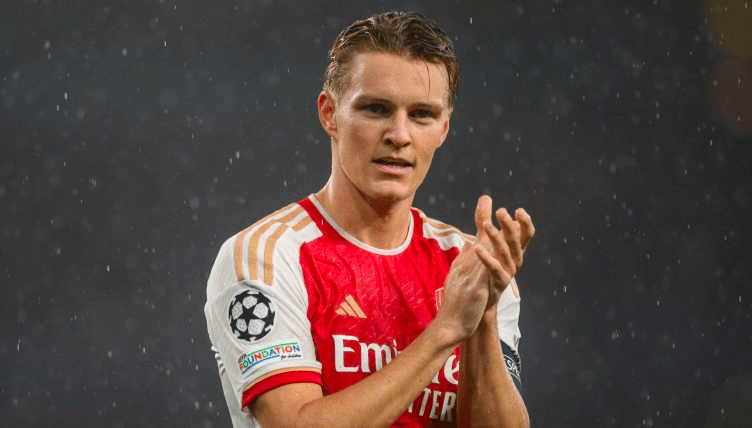
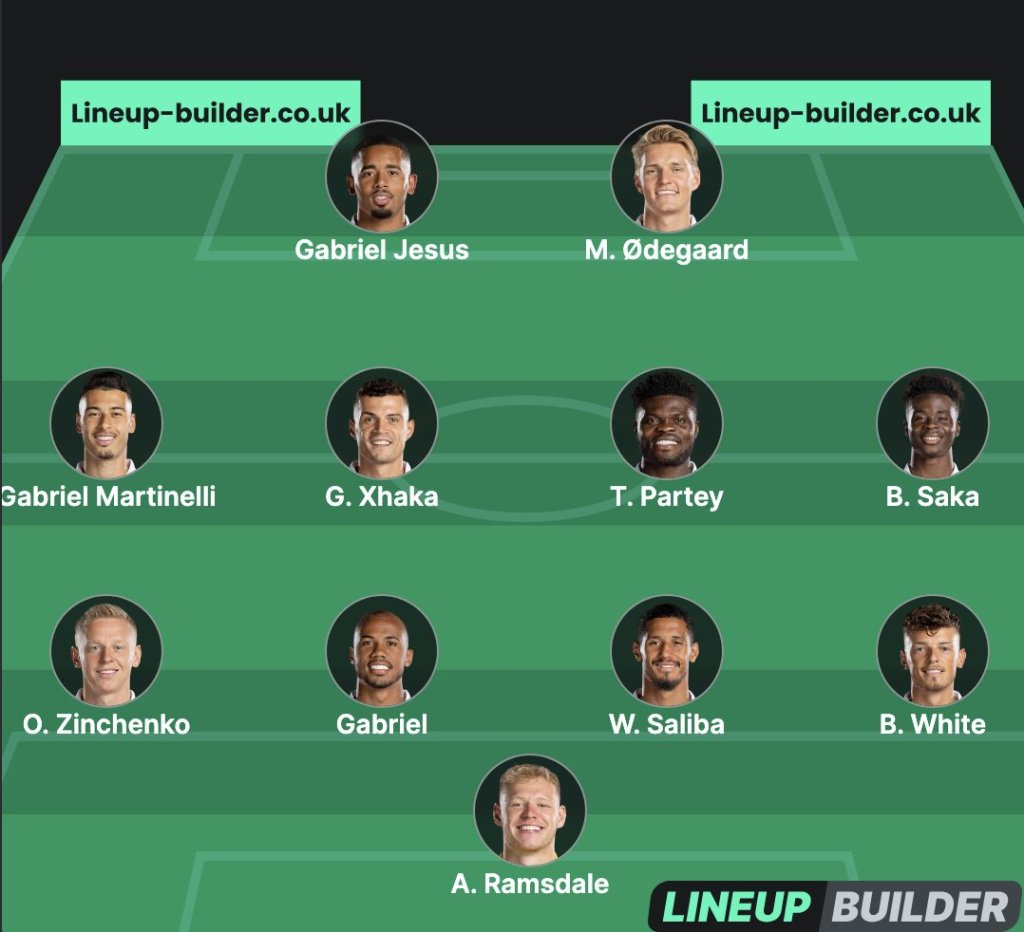
Last season, Arsenal pressed/defended in a 4-4-2 and attacked in a 3-2-5 that looked like this:
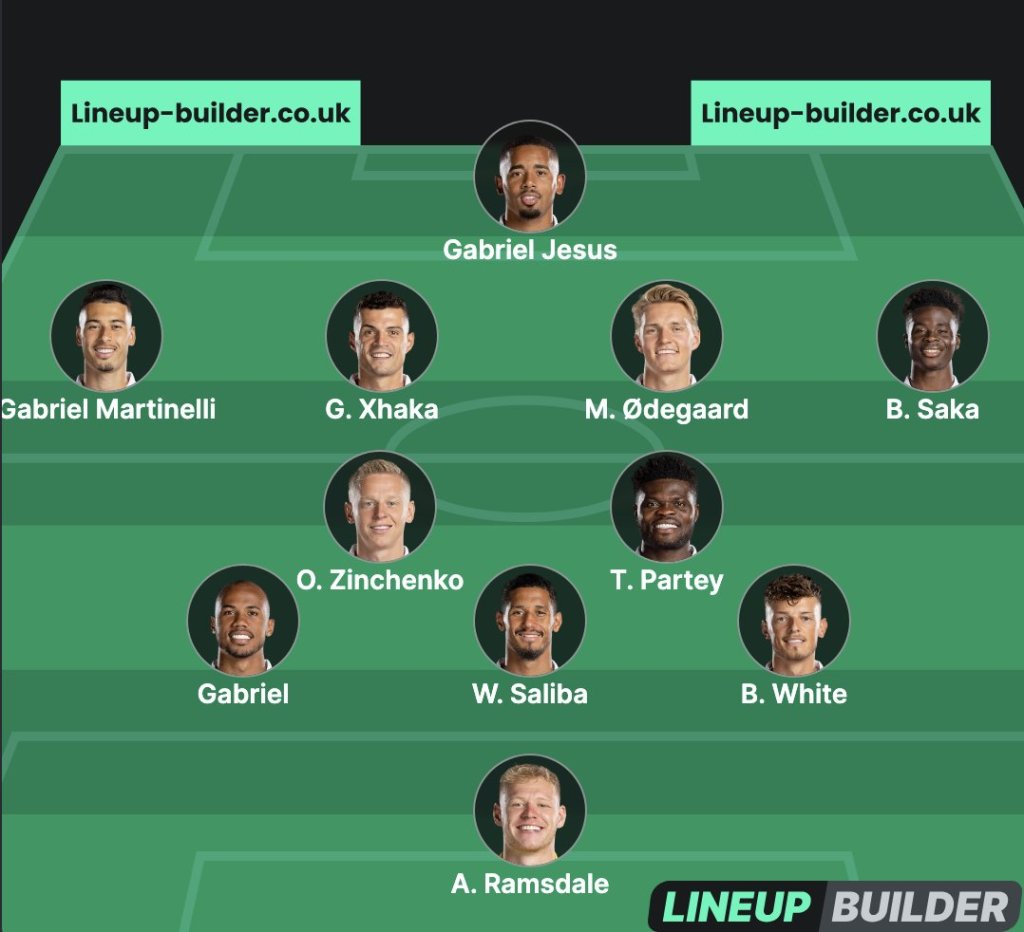
This season however, direct personnel changes leads us to this:
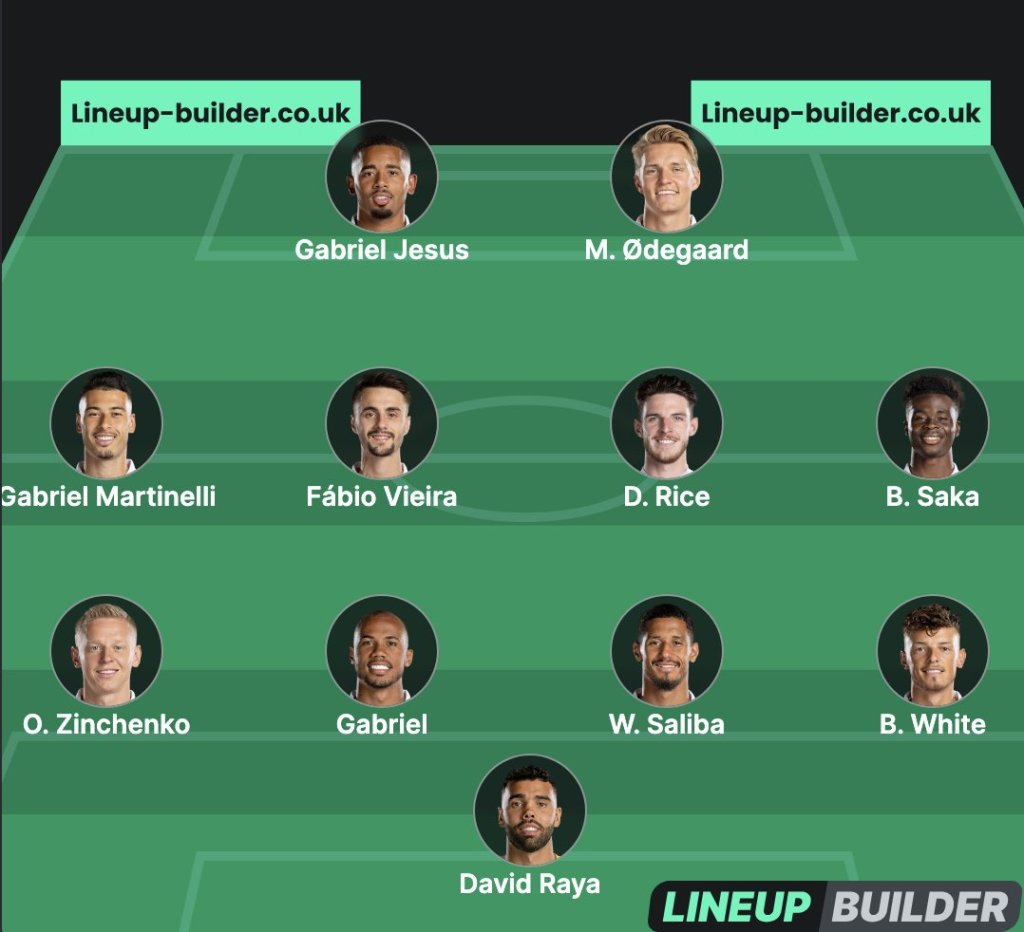
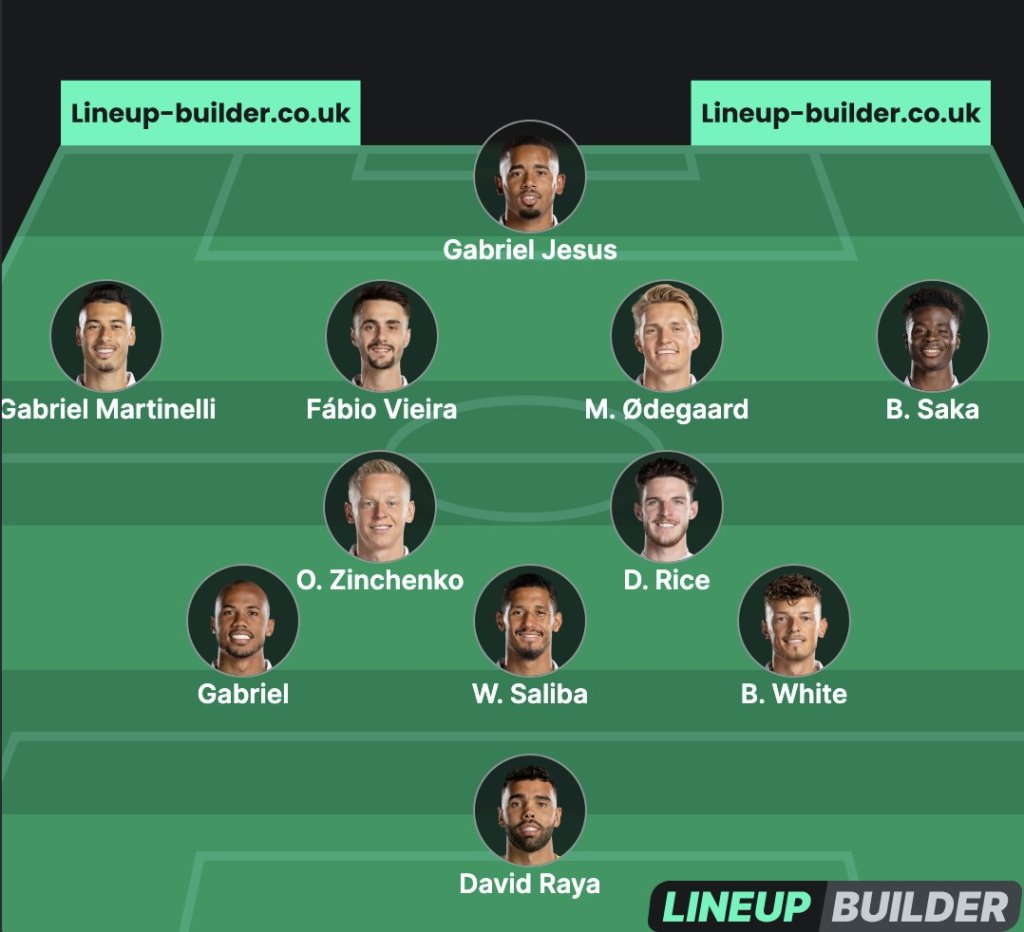
So, what’s the problem?
The problem begins in the 4-4-2 block. Last season, the pieces largely arranged themselves. Xhaka was much more defensive minded than Ødegaard and so he joined the DM in the midfield pivot. This left Ødegaard to join the front 2.
If one of the 8s is providing the support in the defensive and build-up phase, the other 8 must provide offensive output. Last season, Ødegaard managed this, with 15 goals and 8 assists in the Premier League.
Impressive numbers, but bolstered largely by the goals, which came from an xG of 9.14.
History suggests that players struggle to maintain an xG over-performance over a prolonged period of time, and given Ødegaard is not typically recognised as one of the world’s top finishers, you could reasonably assume that based on goalscoring alone, his output will drop.
To supplement this, he needs assists.
Ødegaard did underperform his xA last season, suggesting poor finishing prevented him from registering a higher tally, but his total number of chances created in the Premier League (76) were some way behind Bruno Fernandes (119) and Kevin de Bruyne (98).
Anybody who watches Arsenal regularly will know all about the quality their captain brings to the table, but he is not a ‘stat-padder’ or ‘output-machine’.
Last season, Arsenal’s midfield worked well together, with each players qualities complimenting those of the others. This season however, Arsenal have a problem.
So, how can it be solved?
Fabio Vieira is not Granit Xhaka. What he is however, is a ‘stat-padder’ who can create a large amount of chances even without a large involvement in the overall game.
This makes him much more suited to the role Ødegaard currently occupies in the team, where he has little responsibility in the build-up phase, little defensive responsibilities, and instead is burdened with creative responsibilities.
Arsenal of course cannot afford to have both Vieira and Martin Ødegaard absent from the build-up phase, which means that Ødegaard would need to play deeper, taking more responsibility in the build-up and forming part of the midfield block.
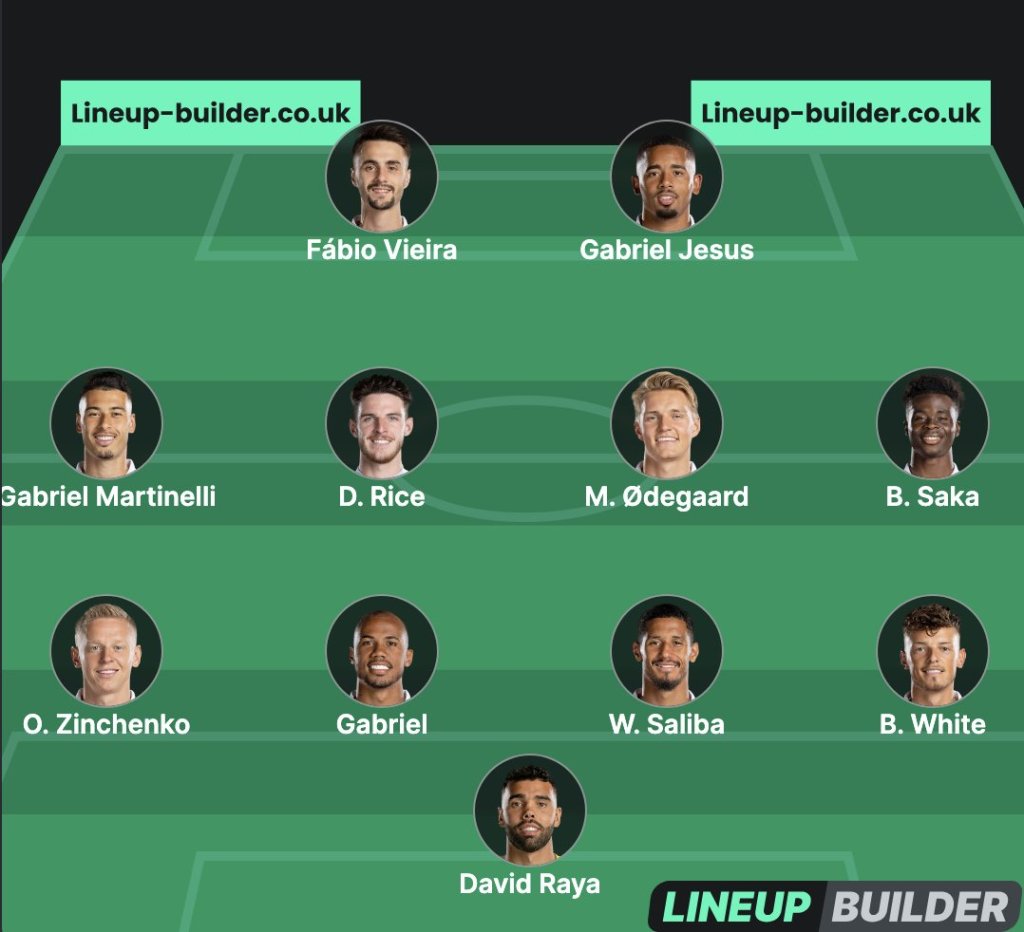
This isn’t an optimal role for the Norwegian, but it means that Vieira can do what he does best, and as he is a far more reliable volume chance creator than Ødegaard, it can go some way to alleviating Arsenal’s difficulty with creating chances, which sees them currently sitting in 15th place for ‘Big Chances Created’, level with Crystal Palace and ahead of only Fulham and the three newly-promoted sides.
The main issue with this set-up, however, is in the transition between the 4-4-2 and the 3-5-2.
Oleksandr Zinchenko would come into midfield as usual, but now Declan Rice must shift out of his way from LCM to RCM to allow Ødegaard to move forward. This involves too much player movement and can lead to confusion and disorganisation, particularly in reverse when defending against quick counter-attacks.

There are two ways this can be avoided.
Option 1
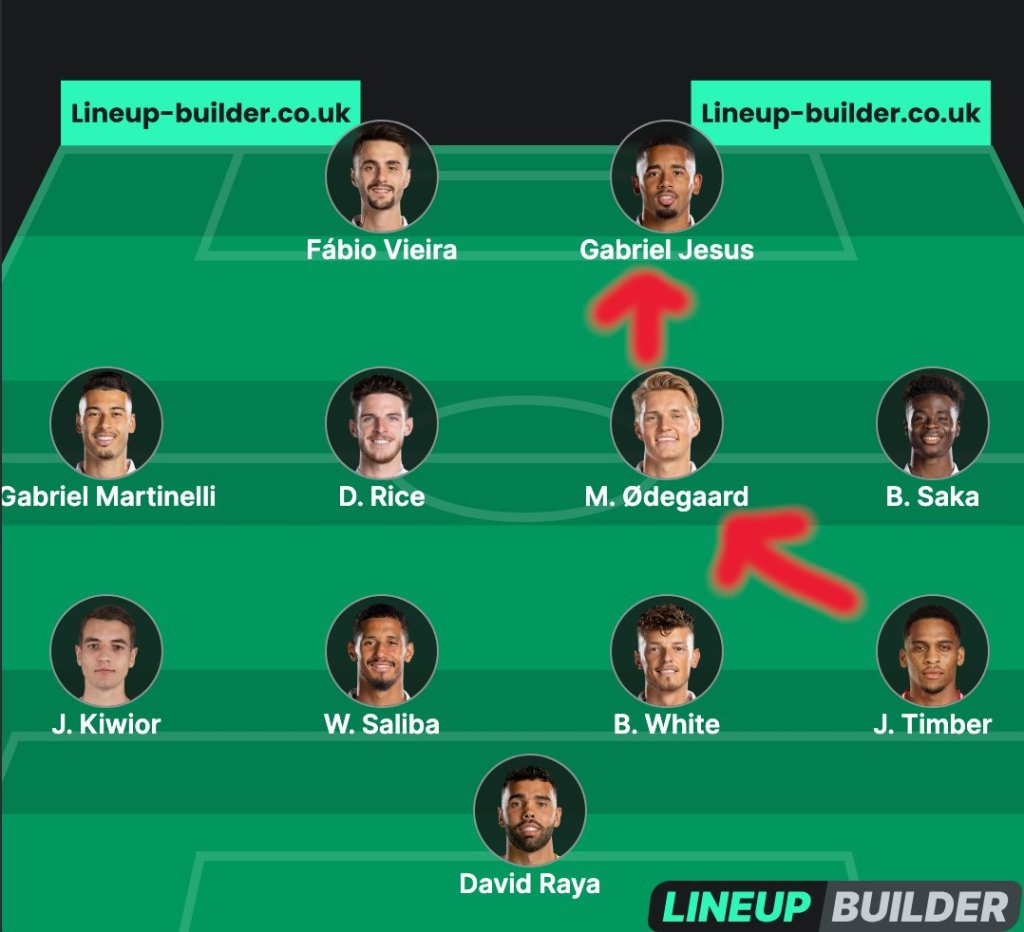
The first option is that rather than inverting the left back, Arsenal invert the right back.
Jurrien Timber would be the obvious candidate for this role but is currently injured, and we’ve already seen Thomas Partey take on this challenge during Zinchenko’s injury layoff.
Takehiro Tomiyasu however has covered for Zinchenko at left back recently and can operate throughout the defence, making him a useful option if the inverted right back is to be used.
It would mean dropping Zinchenko and Gabriel from the squad to bring in Kiwior and Tomiyasu. Gabriel could be kept, but would have to play as a left back, a role which Mikel Arteta seems to trust Jakub Kiwior more in.
Kiwior at left back means shifting Saliba to LCB so that he can remain the middle centre back in the 3-5-2.
Option 2
The other solution, which may be deemed favourable due to the inclusion of Gabriel over Kiwior, who is a less-proven entity in this Arsenal side, is to simply switch Ødegaard to the left, and Vieira to the right.
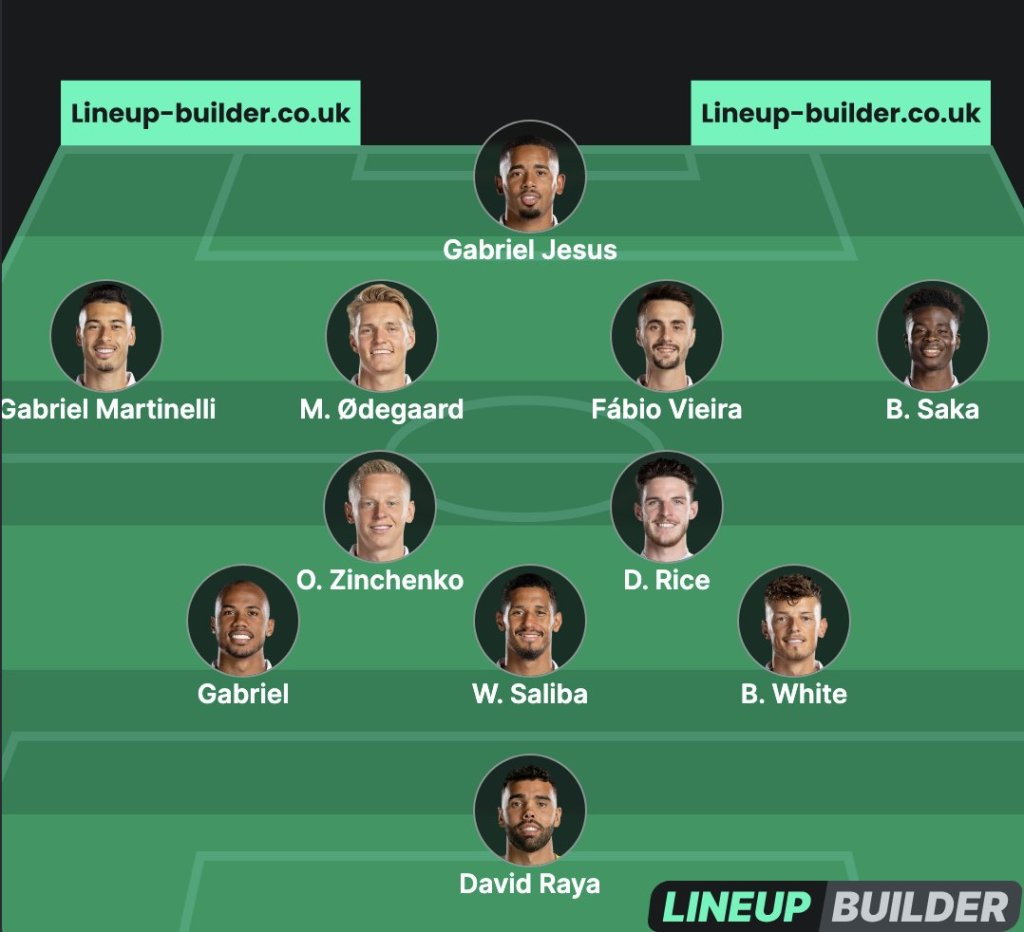
Fabio Vieira is comfortably using both feet, so the switch won’t cause any ham to him. Additionally, the new deeper positions Ødegaard will receive the ball in during his build-up responsibility will be comfortable for a left-footed player, as it was with Granit Xhaka, allowing him to receive the ball from the defenders on his back-foot, turning towards the centre of the pitch and towards the options ahead him. This sets him up well for a switch of play or to play a through-ball to turn defence into attack, rather than turning out wide where the options are much more limited.
The added benefit of this system is Kai Havertz.
On many occasions last season, Granit Xhaka could be seen as Arsenal’s most advanced player. This came as a shock to many, but occurred by design due to Mikel Arteta’s desire for an outlet. However, on receipt of the ball, Xhaka was not the most comfortable in the final third.
Havertz can resolve this. The new-signing has seemed like something of a misfit during his time so far in North London, however he has the height and duel-winning ability to act as an outlet and is much more natural in the final third.
He can either replace Gabriel Jesus at the 9 when an outlet is needed, a role in which he has looked effective when given chance, or he can replace Fabio Vieira as the right 8.
In both situations he would be part of the front 2 during the defensive 4-4-2 shape, which is optimal as an outlet and suits him much better than being involved in the congested deeper midfield area where he has often failed to stamp any authority on the game.
Havertz however is not a volume chance creator like Vieira, and so should ideally be used in the 9 role, either at the expensive of Jesus, or with Jesus shifting out-wide as a rotation option for Bukayo Saka or Gabriel Martinelli.
If Arsenal are chasing the game and don’t require the extra help in the build-up or defensive phases, Havertz can operate as a second striker – a role he thrived in during his time in the Bundesliga – with Vieira potentially taking Ødegaards role as the associated defensive duties would not be required.
The Summary
Overall, I believe that Mikel Arteta should experiment with shifting Martin Ødegaard into the left 8 position, giving him a deeper role where he has more responsibility in the build-up and defensive phases, and greater opportunity to influence the game with his undeniable quality in tight-spaces.
Unless the skipper can increase his output to justify his omission in these deeper phases, Fabio Vieira should take Ødegaards current, more advanced role.
When the Gunners are protecting a lead and need to prioritise ball-security and defensive solidity over chance creation, or in big games against strong and physical opposition, Ødegaard can return to his more advanced right 8 role, with Declan Rice taking the left 8 duty, and Thomas Partey or Jorginho becoming the 6.
 AllAboutFooty